A Local Platform for Black Films that Turned into a Destination Event
02 Mar 2026
The North Carolina Black Film Festival returns this spring for its 23rd year
By Vera Wilson
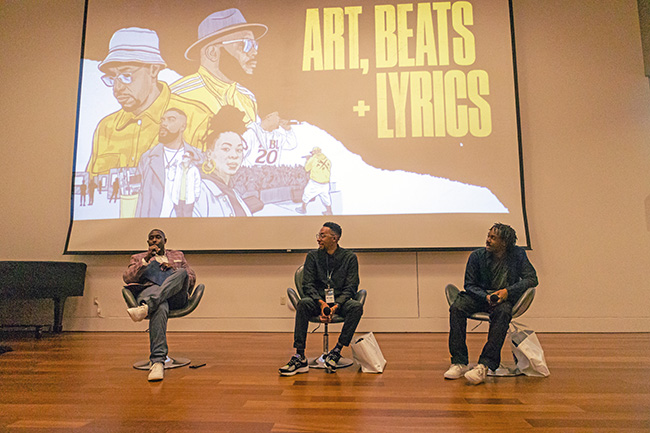
We’re living in a time where diversity, equity, and inclusion programs are being dramatically scaled back, and Black history is literally being erased from public exhibits and educational materials. That makes events such as the upcoming 23rd North Carolina Black Film Festival, to be held here in Wilmington, May 1-3, more vital than ever. It’s sponsored by the nonprofit Black Arts Alliance that, according to its website, is a multidisciplinary vehicle for the advancement of African-American arts and culture.
“The festival is a platform where a lot of times these stories may not be told,” said Charlon Turner, who recently moved into the role of president of the Black Arts Alliance and previously served for several years as the festival’s director. “They may not be in the mainstream.”
The organization is staffed entirely by volunteers for whom art is a passion. Turner, who is from Wilmington and can trace her family back at least five generations, works in human resources for a tech company, but her background is in theater and film.
“It’s what I love,” she said, “and the Black Arts Alliance has allowed me to really stay connected to that passion.”
Films must reflect Black life, urban culture, or African American history. Entries may be feature-length films, short films, documentaries, or animated works.
The festival began as a brainstorm led by local arts patron Rhonda Bellamy, president and CEO of the Arts Council of Wilmington & NHC, who, more than two decades ago, was talking with fellow arts supporters in her living room.
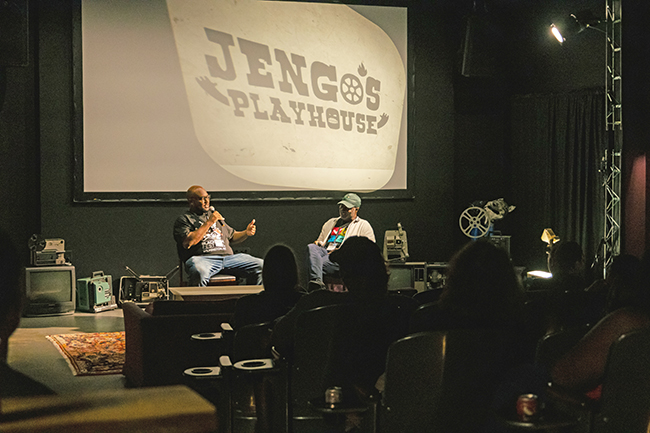
“They wanted to put together an opportunity to screen Black films by Black artists,” Turner said.
And so the Black Arts Alliance was born.
“Because we’re more of a boutique-type festival,” Turner said, “we try to keep it around 25 films per festival, although there’ve been a few years that we’ve had close to 40.”
Twenty-three years later, the festival has grown into a destination event. Attendees number in the thousands and come from across the country, along with some international visitors.
“We are known for our hospitality,” Turner said. “We hear that from people who do the film festival circuit.”
Turner also credits the festival’s evolving programming for keeping it fresh. About 15 years ago, organizers added a Saturday morning showcase with films suitable for the whole family. It’s free and open to the public. In 2024, the festival partnered with a Black film camp out of Charlotte.
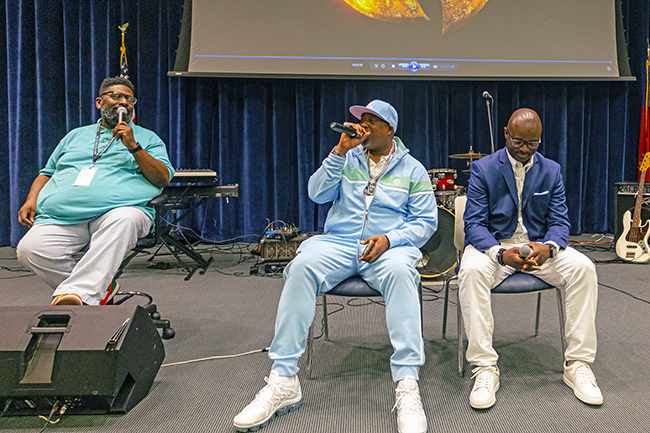
“We had a house full of young people and all the different films that they did,” she said. “The girls wrote, directed and produced their projects, and they tackled important issues like eating disorders. They participated in a panel discussion after the showings, and the way they articulated their projects — how they created them and where the ideas came from — it was really moving.”
Animation took center stage last year with the appearance of renowned animator Bruce W. Smith, creator of The Proud Family and a contributor to multiple Disney projects. After a block of his short films, Smith — the festival’s 2025 honoree — sat for a Q&A session. Past honorees include Pam Grier and Ava DuVernay, the first Black woman nominated for a Golden Globe Award for best director for the 2014 film "Selma."
Festival organizers have collaborated with other Wilmington film festivals, including Cucalorus, which Turner described as a major supporter and has provided lodging for local filmmakers over the years. They’ve also partnered with the Jewish Film Festival.
The Black Film Festival is juried, with awards presented at the end of the event in categories that draw at least three entries. One of last year’s winners was "Bittersweet," by Myrakel Baker, described as a love story cut short by maternal mortality — and a spotlight on the disproportionate risks Black women face during childbirth. Another winner was the documentary "Our Movement Starts Here," directed by John Rash and Melanie Ho, which follows a group of civil rights activists and environmentalists who fought North Carolina’s plan to place a toxic PCB landfill in Warren County.
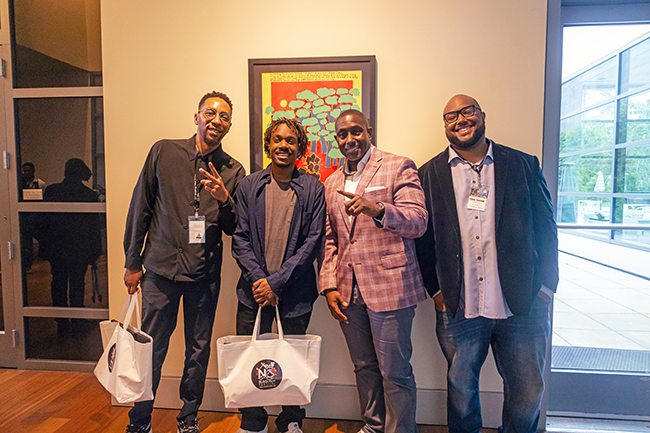
Although the festival remains its signature event, the Black Arts Alliance hopes to expand its year-round offerings.
“The Arts Alliance is for all art platforms — visual art, theater, music — and those are things that I want to focus on more in the coming year,” Turner said. “For example, June is known as Black Music Month. In the past, we’ve done a summer music series, and I’d love to bring that back. And we want to do more artist receptions.”
Selections for this year’s festival are underway. Submissions, volunteer information and sponsorship opportunities are available through the organization’s website.