
Travel with Care
03 May 2026
From mountain trails to coastal dunes, simple choices can help protect North Carolina’s most beloved ecosystems
May-June 2026
Written By: Kat Ford

Summer is in the air. Longer days and the tinge of sun-kissed skin accompany the excitement of warm-weather getaways, both planned and spontaneous. We all have our favorite spot. The one we daydream about moving to. Where we eagerly and aspirationally follow the social media accounts of outdoor outfitters, retailers and restaurants, pining for the day when we can return. A place we love.
The healthiest type of love, though, requires equal give and take, a balance of boundaries and respect. The same is true for regions that rely on ecotourism. With vulnerable ecosystems, some of North Carolina’s favorite destinations, from Cashiers to Oak Island, necessitate stewardship by many, as well as collective awareness of connectivity and natural complexity.
“Small choices help protect ecosystems that may take decades — or centuries — to develop,” informs Sarah Vickery, university program associate of Western Carolina University’s Highlands Biological Station. With so much at stake, what should a responsible tourist keep in mind?
Biofouling
“Put simply, biofouling is bringing something from one environment to another that shouldn’t be there — an invasive plant, insect or microscopic organism,” says Nick Breedlove, executive director of the Jackson County Tourism Development Authority. In 2023, the World Economic Forum released an article stating that invasive species cost $423 billion annually and play a key role in 60% of recorded plant and animal extinctions. “We are home to thousands of species of flora and fauna in the most biodiverse region in the temperate world. It’s very important that visitors exercise stewardship when visiting so this place remains beautiful for generations to come,” stresses Breedlove.
An act as simple as brushing off boots before and after a hike can prevent the spread of invasive plants. Vickery says to remember the Clean-Check-Dry routine:
- Clean dirt, seeds and plant material from shoes, hiking poles and gear.
- Check clothing, pets and equipment before leaving a trail or waterway.
- Dry gear thoroughly between trips, especially anything used in streams or lakes.
Don’t bring firewood or live bait from another destination. Instead, buy local. Never dump unused bait. Consider adding a 10% bleach solution, if needed, when cleaning gear. “With multiple water access points, one action that is often shared is the importance of washing/flushing boats before and after they interact with the saltwater environment,” says Mike Emory, communications manager for the Town of Oak Island. “This can help prevent the spread of contaminants, as well as help ensure invasive species are not spread through other bodies of water.”
Leave No Trace
The seven LNT stewardship principles include planning ahead, staying on established surfaces, properly disposing of waste, leaving natural, cultural and historic objects alone, minimizing campfires, respecting wildlife, and being considerate of other visitors. “You don’t have to be an ecological expert, but actions like cleaning up after yourself and avoiding interactions with the wildlife all take a conscious choice on the part of the individual,” says Emory. And while our actions may feel small, they add up over time. “A single person stepping off a trail may seem harmless, but when hundreds of visitors do the same thing over a season, the result can be habitat loss, erosion or the spread of invasive species,” reminds Vickery.
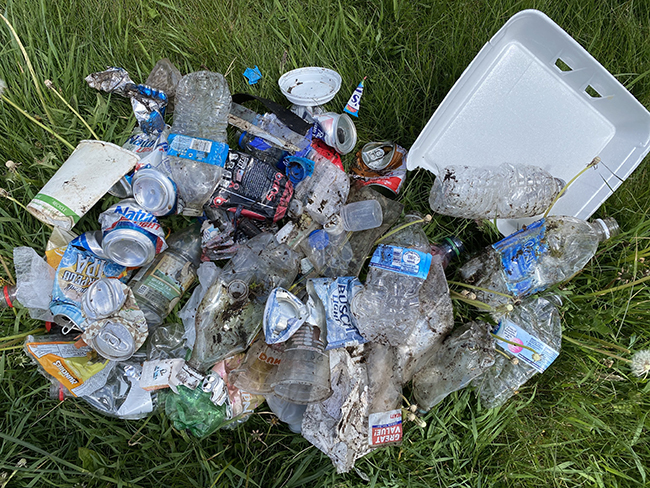
Whether we are protecting dunes and sea turtles on the beach or salamanders and trout in mountain streams, all three organizations echo the same statement: Leave it better than you found it. “One of the most common things we see is plastic water bottles or cans left alongside trails. A plastic bottle alone will take between 400 and 1,000 years to decompose,” shares Breedlove.
Responsible Tourism
With such universal messaging from the Southern Appalachians to the coastlines of the Brunswick Islands, the question becomes not where we go, but how we show up. What practices can we carry with us, no matter where we roam?
First, visit the websites of nature centers, park systems and governments to learn about local habitats, sensitivities and responsible practices. Both the Town of Oak Island and Jackson County have resources available for tourists. Second, remain mindful of biofouling and Leave No Trace principles; always stay on the designated trail. Third, travel prepared: Bring reusable water bottles and food containers, small bags to pack out waste, and a simple brush or cloth to clean your gear between environments. Fourth, support microeconomies and environmental nonprofits, including land trusts that focus on conservation, by shopping local, volunteering or donating.
“Generally speaking, if you are visiting the area, don’t treat it as somewhere you may never see again. Treat it like somewhere you’ll want to come back to and leave it in a state that you’ll look forward to seeing again when you return,” Emory advises.
In the end, responsible travel is as simple as understanding the weight of presence. If we cannot always be in the place we love, then while we’re there, we can choose to love the one we’re in.