Blending Styles, Memories, and Meaning Into One Wilmington Home
04 Jul 2026
The family's custom home, built by Bell Custom Homes and Lindsay Farber Interiors, reflects a lifetime of experiences while embracing the beauty of Wilmington's beloved Airlie Gardens
July-August 206
Written By: Jen Reed | Images: G. Frank Hart
Stepping inside the Farber family’s custom Wilmington home feels a little like walking through a conversation between places, memories, and people who genuinely loved the process of creating it together.
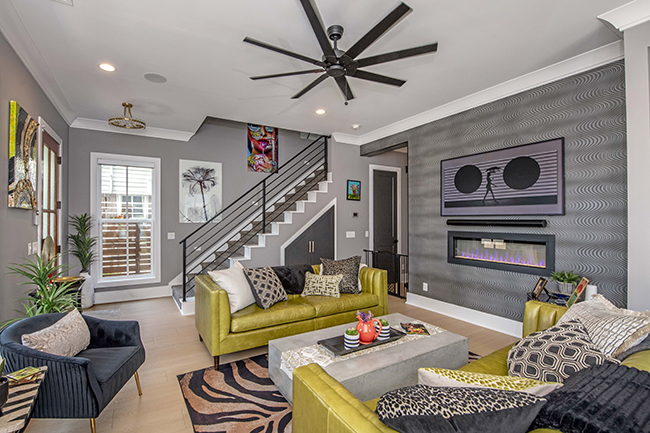
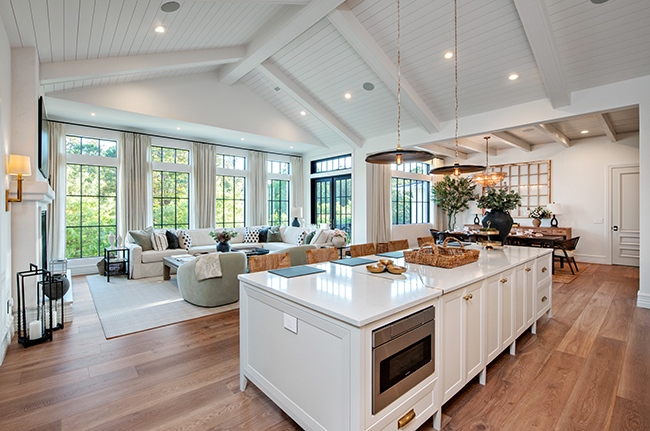
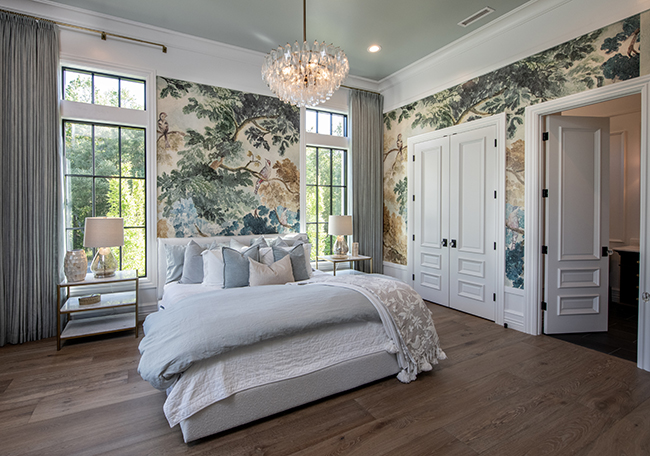
There are hints of classic Charleston, New Orleans, and urban architecture in the structure and symmetry. Softer English manor influences appear in the warmth of the materials and the relaxed flow of the home. Elsewhere, layered textures, dramatic ceilings, botanical patterns, and collected details give the interiors an old-world sensibility that somehow still feels fresh and livable. Nothing feels overly polished or overly precious. Despite its scale—more than 4,500 square feet—the home feels deeply personal.
That balance was intentional from the very beginning.
For Cress Bell of Bell Custom Homes, the best custom homes are never just about architecture or finishes. They are about understanding how people want to live and creating spaces that feel like a natural extension of who they are.
“I think homes are deeply personal,” Bell says. “The best ones tell you something about the people living there without trying too hard.”
The Farber home became exactly that kind of project.
Over the course of nearly two years, Bell worked closely with homeowners Donna and Michael Farber, their daughter and interior designer Lindsay Farber, and architect Scott Lechtrecker of Ocean 3 Design, Inc. to create a home layered with character, warmth, and the kind of thoughtful detail that only comes from genuine collaboration.
From the beginning, the Farbers knew they wanted something timeless, but they also wanted a home that felt relaxed enough to actually enjoy.
“We didn’t want anything to feel too formal,” Donna says. “We wanted it to feel elevated, but always comfortable. A house where our family and friends could really enjoy being.”
That distinction became a guiding principle throughout the project.
Bell often talks about homes less in terms of style and more in terms of feeling. Before discussing finishes or layouts, he spends time trying to understand how clients move through their lives, what they gravitate toward naturally, and what kind of atmosphere makes them feel most at home.
With the Farbers, those conversations quickly became multi-dimensional.
The family brought years of experiences, travel, and design inspiration into the process. Michael had spent time living in Europe and went to school in New York. The family owns an apartment in West Village in New York and also lived on the West Coast before eventually settling in Wilmington. Rather than trying to replicate one architectural style, they wanted the home to feel collected over time—a blend of influences that reflected their life experiences without becoming theme-driven.
Bell immediately understood the assignment.
“Cress really grasped the vision early on,” Donna says. “Especially the architectural influences we were drawn to. In fact, Michael shared an inspo picture of the style and roof line we wanted and kept coming back to since day one. Cress understood how to balance our vision with the warmth we wanted.”
That ability to blend styles without letting the home feel forced has become part of Bell’s design philosophy over the years.
“I love when homes blur the lines a little,” he says. “When you can pull inspiration from different places but still make it feel cohesive and timeless.”
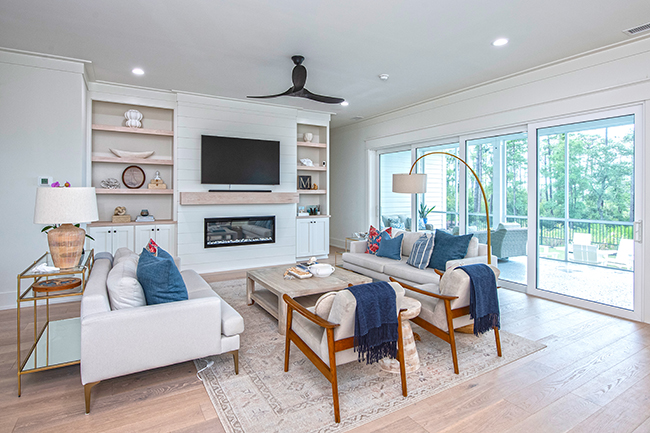
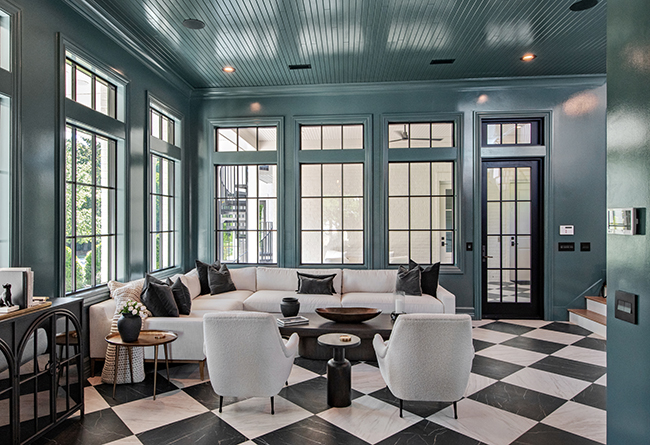
In the Farber home, that philosophy shows up everywhere, though often subtly. The exterior carries a quiet nod to classic brownstone architecture, while softer European-style details bring warmth and ease to the structure. Inside, the spaces feel intentional rather than overly designed—rich textures, dramatic architectural moments, and carefully chosen details working together without competing for attention.
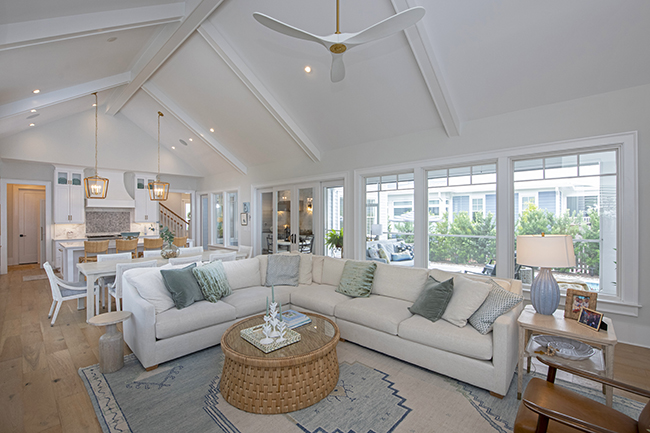
The home’s reverse floor plan also helped shape the experience of the space. A first-floor lounge creates a more intimate entry point, while the main kitchen and living areas upstairs open dramatically to Airlie Gardens’ treetops, with oversized windows, ceilings and expansive gathering spaces.
Still, despite the scale, the home never loses its sense of intimacy.
“That was important to all of us,” Lindsay says. “We wanted drama and beauty, but we also wanted it to feel inviting.”
For Lindsay, the project became uniquely personal. Her charge was to make her parents dream a reality.
A graduate of East Carolina University’s CIDA-accredited interior design program, she now runs Lindsay Farber Interiors and has worked on luxury homes in multiple markets, including Laguna Beach, New York City, and Wilmington. But designing alongside her parents brought a very different dynamic to the process.
“It was really collaborative from beginning to end,” she says.
Donna, who has always loved interiors and design herself, credits Lindsay with helping shape nearly every aspect of the home. Together, the two spent countless hours refining finishes, selecting materials, studying layouts, and making what Donna laughingly describes as “a shocking number of decisions.”
“I had no idea how many choices go into building a custom home,” Donna says. “But honestly, that became part of the fun.”
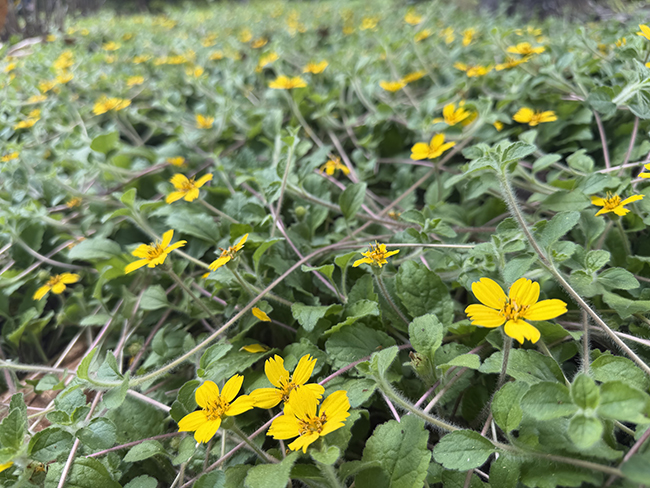
They specifically chose a lot overlooking nearby Airlie Gardens. The family was drawn to the softness and romance of the gardens and wanted to subtly bring that feeling indoors through wallpaper, textures, colors, and natural elements layered throughout the home.
“It wasn’t about recreating Airlie Gardens literally,” Lindsay says. “It was more about capturing that feeling.”
That idea—capturing a feeling rather than simply following a style—is something Bell repeatedly returned to throughout the build.
“It’s easy to make something look expensive,” he says. “The harder part is making it feel personal.”
That personal connection extended beyond the design itself and into the building experience.
Custom homebuilding can often become stressful, particularly during the long periods of planning, engineering, permitting, and approvals that happen before construction even begins. Bell has learned over time that part of his role is helping clients navigate not only the logistics, but also the emotional side of the process.
“You can always tell when someone has had a difficult experience building before,” he says. “There’s a level of hesitation there.”
With the Farbers, trust developed quickly.
“We had fun from beginning to end,” Bell says. “That really matters during a project like this.”
The collaborative spirit between the family, Bell, and Lechtrecker created an environment where ideas could evolve naturally without becoming stressful or rigid. The process moved thoughtfully, allowing the home to become more refined over time rather than rushed toward completion.
Looking back now, Donna says that slower pace ended up being a gift.
“It gave us time to really think through what mattered,” she says.
What ultimately makes the home memorable is not any one dramatic feature, though there are plenty of those. It’s the consistency of the experience. The way the architecture, interiors, and atmosphere all feel connected to the people living there.
Nothing feels copied. Nothing feels overly trendy. The home feels collected, layered, and deeply lived-in from the moment you walk through the door.
For Bell, that’s always the goal.
“The best homes have soul to them,” he says. “You can feel when a house really reflects the people inside it.”
In the Farber home, that soul comes not just from beautiful design, but from the gratitude and excitement that shaped the project from the beginning.
For Donna, the experience became an opportunity to fully immerse herself in a creative process she has always loved. For Lindsay, it was a chance to collaborate with family in a way that felt both personal and professionally rewarding. And for Bell, it became another example of why he still sees homebuilding as something far more meaningful than simply constructing houses.
At its best, he believes, a home becomes part of a family’s story.
The Farbers’ home already feels like it always has been.
Resources: bellcustomhomes.com