When the Rain Stops
04 Jul 2026
A homeowner’s guide to drought and heat stress in the garden
July-August 2026
Written By: Gabriella de Souza, M.S. | Images: Gabriella de Souza, M.S.
If your tomato leaves are curling, your hydrangeas are wilting or your lawn is crisping at the edges, the damage likely started weeks ago — underground. North Carolina is in the middle of one of its driest stretches on record. As of late April 2026, exceptional drought — the most severe classification on the U.S. Drought Monitor scale — appeared in parts of the state for the first time in this drought cycle. New Hanover County is in severe drought, and the Wilmington area has run nearly nine inches below its normal rainfall over the past six months, according to the National Weather Service.
Summer heat is building, outdoor water use is peaking, and gardens that looked fine in spring are about to face their real test. Plants are tougher than they look, but they need the right help now, not after the damage shows.
What Is Actually Happening Inside Your Plants
Plants breathe and cool themselves using tiny pores called stomata. When soil moisture drops, plants produce a hormone called abscisic acid, or ABA. This hormone travels through the plant’s tissues and causes those pores to close. Closing the stomata conserves water, but it also shuts down photosynthesis. Pausing food production in this way is a technique plants use to survive.
During mild or short-term drought, this is a reasonable tradeoff. But when heat and drought arrive together, as they often do during a Wilmington summer, plants face a physiological conflict: heat signals the stomata to open for cooling while drought signals them to stay shut. Research published in The Plant Journal describes this as a competing hormonal response that can push stressed plants toward rapid decline faster than either stressor would alone.
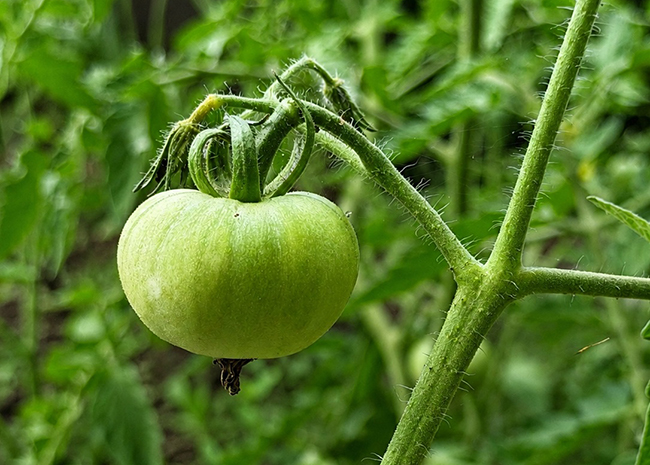
Avid Wilmington home gardener Molly Prosser noticed it first in her tomatoes. "My tomato leaves are curling for the first time," she says. "I'm watering every day and fertilizing on the same schedule as last year, but I just can't keep up." Her squash and Sungold tomatoes, which she was already harvesting by this point last spring, have barely begun to flower.
That browning at the leaf margins, the curling, the sudden leaf drop are the visible consequences of a system that has been making impossible tradeoffs for weeks.
What to Do About It
Vegetables and annuals are working plants with no margin for drought stress. Unlike established trees and shrubs, they need consistent moisture to keep producing—generally, around one inch of water per week during active growth, delivered at the root zone rather than overhead. Soaker hoses and drip irrigation put water directly where the plant can use it, with far less evaporation loss than sprinklers. If you use overhead irrigation, early morning is the only window that makes sense right now.
Mulch is your single most effective tool. A four-inch layer of wood chip mulch over vegetable and ornamental beds insulates the soil, slows evaporation, moderates temperature swings, and suppresses weeds that would otherwise compete for every available drop. Always mulch a few inches from plant stems and tree trunks to avoid mulch volcanoes that cause rot and decay.
Newly planted trees and shrubs, anything in the ground less than two years, are the most vulnerable plants on your property. Their root systems have not yet expanded enough to access moisture from a wide area. A slow drip directly over the root ball two or three times per week will do more than any quick overhead spray.
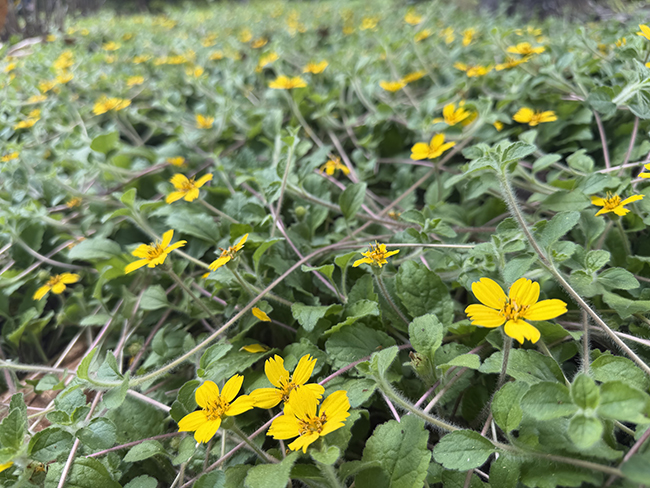
Plants That Were Built for This
Drought years have a way of clarifying what actually belongs in a coastal Carolina landscape. Native plants of the coastal plain evolved alongside the sandy, fast-draining soils and dry summers. These native species have been managing without irrigation for thousands of years.
Eastern red cedar, live oak, wax myrtle, yaupon holly, Muhly grass, black-eyed Susan, lance-leaf coreopsis, and liatris all hold steady during dry stretches once established. They support local pollinators, feed birds and small mammals, stabilize soil, and keep a landscape looking alive when everything around them is struggling.
If this summer is revealing weak spots in your landscape, late summer and fall, once temperatures ease, is the time to address them with native species. This long-term investment ensures you won’t have to nurse your landscape through the next drought cycle.
The Bigger Picture
The 2026 drought is a part of a longer pattern of pressure on the Cape Fear watershed. Downstream communities, including Wilmington, are actively working to protect water access as upstream demand grows. One inch of rain on a 1,000 square foot roof yields roughly 620 gallons of water available for reuse in the garden. Rain barrels, permeable surfaces, and reduced irrigation all reduce the demand on a supply that the whole region shares.
Most established plants will come through this summer. If some things struggled, that's useful information: about your soil, your site, and which plants are genuinely suited to coastal Carolina conditions. Late summer and fall, once temperatures ease, is the right time to make changes. The plants best adapted to this landscape also happen to be some of its most beautiful.
Do’s
• Water at the base of the plant, directly over the root zone
• Apply four inches of wood chip mulch over beds
• Use soaker hoses or drip irrigation
• Water newly planted trees and shrubs two to three times per week with a slow drip
• Water in the early morning if using overhead irrigation
• Group future plantings by water needs
Don’ts
• Water leaves or aboveground plant parts that will promote fungal disease
• Build mulch volcanoes against stems or tree trunks that trap moisture and cause rot
• Rely on overhead sprinklers during peak heat when most water is lost to evaporation
• Assume established plants need the same watering frequency as new transplants
• Fertilize drought-stressed plants on their normal schedule because new growth demands water the plant cannot spare
Gabriella de Souza, M.S., is a plant ecologist and Wilmington native dedicated to making plant science accessible for home gardeners across coastal Carolina.