Plant Native, Plant Now
01 Sep 2026
Recommendations from plant professionals on how to rethink your garden this fall
Sept-Oct 2026
Written By: Gabriella de Souza | Images: Gabriella de Souza
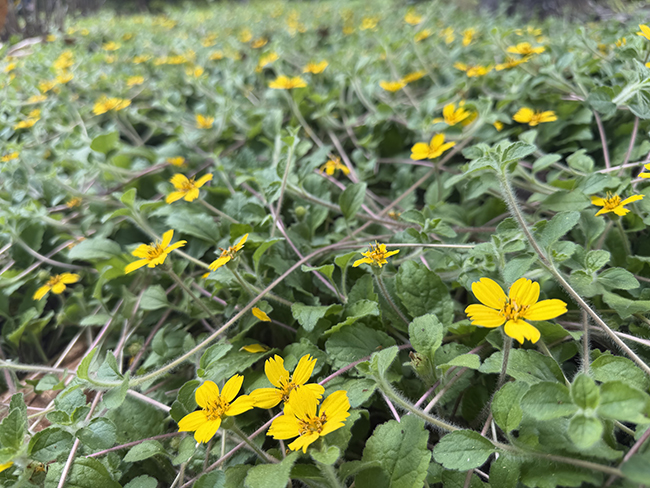
As a plant ecologist, one of the questions I get most often this time of year is why anyone would plant in the fall, when spring gets all the attention. Our cooler air and still-warm soil give roots months to establish before next summer's heat arrives, without the added stress of blooming or fruiting at the same time. It is the best planting window our coastal climate offers all year, and it is the ideal moment to plant native.
Native plants evolved alongside our local insects, birds, and soil systems over thousands of years, and that shared history makes them ecological assets. Many of our native insects, particularly specialist pollinators, can only complete their life cycle on a small number of host plant species. Remove those plants from a landscape, and the insects that depend on them disappear too, along with the birds and other wildlife further up the food chain that depend on those insects. A native species feeds specific pollinators, anchors parts of the local food web, and handles the wet and dry swings that define our coastal climate in ways a non-native ornamental simply can't match. None of this requires a full garden overhaul. Tucking even one or two of these species into an existing bed makes a measurable difference to what shows up in your yard.
A few underrated natives worth seeking out this fall:
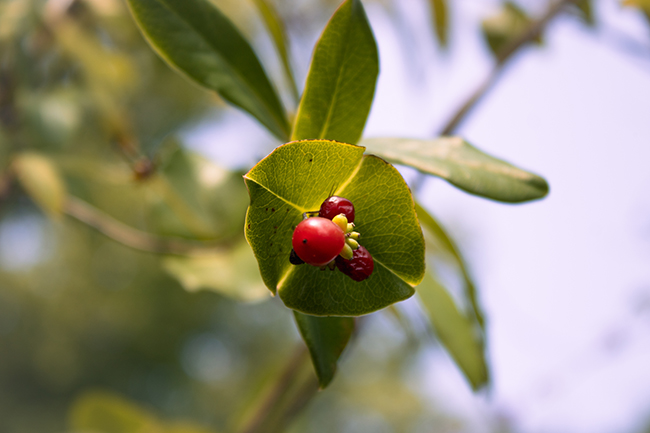
• Coral honeysuckle, a well-behaved native vine that draws ruby-throated hummingbirds to its tubular red-orange blooms and produces berries birds rely on into winter.
• Wax myrtle, whose waxy blue-gray fruits are a critical winter food source for songbirds like yellow-rumped warblers, and which fixes nitrogen in poor, sandy soil as it grows.
• Coastal plain Joe Pye weed, one of the best late-summer nectar sources we have, drawing swallowtails to its tall flower clusters right when other blooms have faded, then feeding goldfinches once it goes to seed.
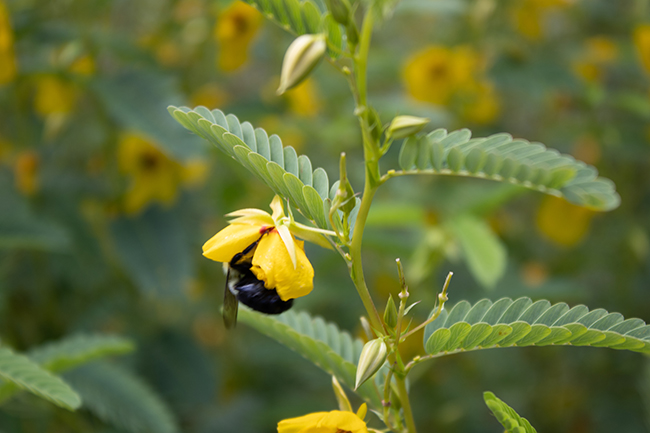
• Partridge pea, which handles the swing between soggy and bone-dry better than almost anything else on this list, improves poor soil as a nitrogen fixer, and serves as a host plant for sulphur butterflies.
The Cape Fear Native Plant Festival, now in its 11th year, is where you'll find these species alongside dozens of other coastal natives worth a spot in your yard. Since no plants are sold on-site at the N.C. Cooperative Extension, New Hanover County Center & Arboretum, on Saturday, September 19, festival attendees are encouraged to support the local nurseries and growers who make the region's native plant supply possible.
Among the participating nurseries is Shelton Herb Farm, whose team not only sells native plants but also grows and propagates them on-site in Leland, giving staff firsthand knowledge of each plant from seed to sale. "Demand has definitely increased. People are more interested, and they're asking for certain natives by name," says Alex Modly, farm manager at Shelton Herb Farm. Modly points to rose verbena as an underrated pick worth more attention, a full-sun ground cover with a gorgeous purple bloom that fills the same visual role as non-native lantana, "with the added benefit of being a native." For the farm, the festival itself is the biggest day of the year: up to 15 other vendors and informational groups set up alongside them, including Extension Master Gardener℠ volunteers, a speaker on native snakes, and a longtime customer handing out free longleaf pine saplings, plus a food truck, live music, and kids' activities that turn the day into a community event as much as a plant sale.
Five Oaks Nursery in Wrightsboro, a vendor at the festival since 2021, has seen a similar shift. "Once we explain that a plant is native, and that the birds and pollinators are going to love it, customers choose that option over the alternatives about 65 to 70 percent of the time," says Abbey Cole, director of wholesale customer operations at Five Oaks. It's a shift she's watched happen in real time, from a niche request tied mostly to landscape installation contracts to something retail customers now ask for by name. For anyone unsure where to start, that's exactly what the shopping day is built for: a chance to visit participating nurseries directly, ask questions, and let the vendors themselves point you toward what will actually thrive in your yard.
If you're feeling overwhelmed by the options, Cole’s advice is simple: right plant, right place. "The biggest piece of advice I'd give, and this applies to almost anything, is to pick a plant that suits the specific spot you're trying to plant it in," she says. That means thinking through sun exposure, soil moisture, and whether you want something evergreen or seasonal before you fall for a plant on looks alone. Starting with just one well-matched native, rather than trying to replant a whole bed at once, is enough to make an ecological impact.
The multi-day festival opens on Wednesday, September 16, with three evenings of talks from green industry professionals, headlined this year by nationally recognized horticulturist and Emmy Award-winning television host, Bryce Lane. The festival ends on Sunday, September 20, with self-guided native garden tours to showcase how you can incorporate natives into your own landscape. The evening talks and garden tour require a ticket, so it's worth grabbing one early, and the full schedule and details are at go.ncsu.edu/nativeplantfestival2026.